

Introduction
Today, personalization has shifted from being a novelty to a necessity. Today, users don’t just expect recognition—they expect experiences that adapt instantly. Real-time personalization makes this possible by adjusting content, offers, and recommendations the moment a visitor interacts with your website. Unlike static personalization, which relies on outdated segments, real-time personalization engines process live data to create seamless, relevant journeys. The result? A personalized user experience that keeps decision-makers engaged, reduces bounce rates, and accelerates conversions. In this blog, we’ll define what real-time personalization is, explore the benefits of real-time personalization, and share personalized user experience examples to show how leading businesses are setting new standards for engagement.
What is Real-Time Personalization, and Why It Matters?
Real-time personalization is the practice of instantly delivering tailored content, offers, or product suggestions based on live user behavior and data. Unlike static personalization, which relies on preset rules or outdated segments, real-time personalization adapts dynamically in the moment. This ensures every visitor sees the most relevant content for their current intent, whether they are in the research stage, comparing solutions, or ready to purchase.
At its core, real-time personalization engines analyze behavioral, transactional, and demographic signals to decide what message or experience should appear instantly. For example, if a visitor spends time on your pricing page, the system might surface a free trial CTA, a relevant case study, or a chatbot offering a demo. The benefits of real-time personalization go beyond convenience. It reduces bounce rates, increases engagement, and builds trust by making users feel understood at every interaction. In B2B especially, decision-makers expect immediacy and relevance — a personalized user experience that evolves as they move through the funnel. By leveraging real-time personalization, businesses can shorten sales cycles, improve conversions, and deliver experiences that are meaningful, timely, and highly effective.
In this case, a good example is HubSpot, which uses data to create and deliver personal user experiences in real-time. Using machine learning, the HubSpot platform tracks and remembers actions a visitor makes during a website visit and personalizes content, offers, and messaging accordingly.

In a world where B2B buyers expect immediacy and relevance, data-driven personalization is a game-changer. By leveraging real-time information, businesses can deliver hyper-relevant experiences, improving engagement and driving better sales outcomes.
Collecting and Analyzing Data for Real-Time Personalization
To make real time personalization effective, businesses must first understand the type of data that fuels it. Personalization in real time is only as strong as the data it relies on. Without a continuous flow of accurate insights, even the most advanced real time personalization engines cannot deliver the experiences users expect. This is why collecting, analyzing, and activating data forms the foundation of a personalized user experience strategy.
Why Data Matters in Real-Time Personalization
Every visitor brings a unique context — what they are looking for, how much time they have, and where they stand in the buying journey. The ability to process this context immediately is what makes real time personalization different from static personalization. Instead of presenting pre-set messages, businesses can serve offers, recommendations, and content tailored to live behavior. The result is a personalized user experience website that feels truly dynamic, relevant, and trustworthy.
How to Gather the Right Data
For successful personalized user experiences, collecting various data points that provide a 360-degree view of your audience is essential. The key types of data you should focus on include:
Behavioral Data: This relates to the nature of the user’s visit, which pages are viewed, how long each page is viewed for, which Call to Action (CTA) is clicked and which products or services are of interest to the user within a real-time context All of this is important for real-time user behavior and what he or she is willing to do at the time of interaction with the site.
Transactional Data includes purchase history, subscription data, and any past financial interactions a user has had with your company. For B2B businesses, knowing what products or services a customer has purchased can help tailor future content and offers in a way that adds value.
Demographic Data: Knowing the user’s role in their company, industry vertical, geographical location, and company size provides a tailored and targeted approach that delivers on the promise of data-driven personalization for the B2B decision-maker.
When gathering these data types, it’s crucial to balance capturing valuable insights without overwhelming your visitors with intrusive data collection. Wise use of first-party data collected directly from your users through interactions on your own platforms is critical. It provides highly accurate, reliable information that ensures real-time personalization is both timely and relevant.
The Role of First-Party Data
Among all sources, first-party data is the most reliable foundation for personalized user experiences. It is collected directly from interactions on your platforms — meaning it is both accurate and compliant with increasing data privacy regulations. First-party data allows businesses to react instantly to customer needs without relying on third-party trackers. For example, Salesforce’s Data Cloud enables companies to unify first-party data across touchpoints and deliver real time personalization. As preferences shift during a customer’s journey, the system adapts content, product recommendations, and offers on the spot — ensuring every moment feels relevant.
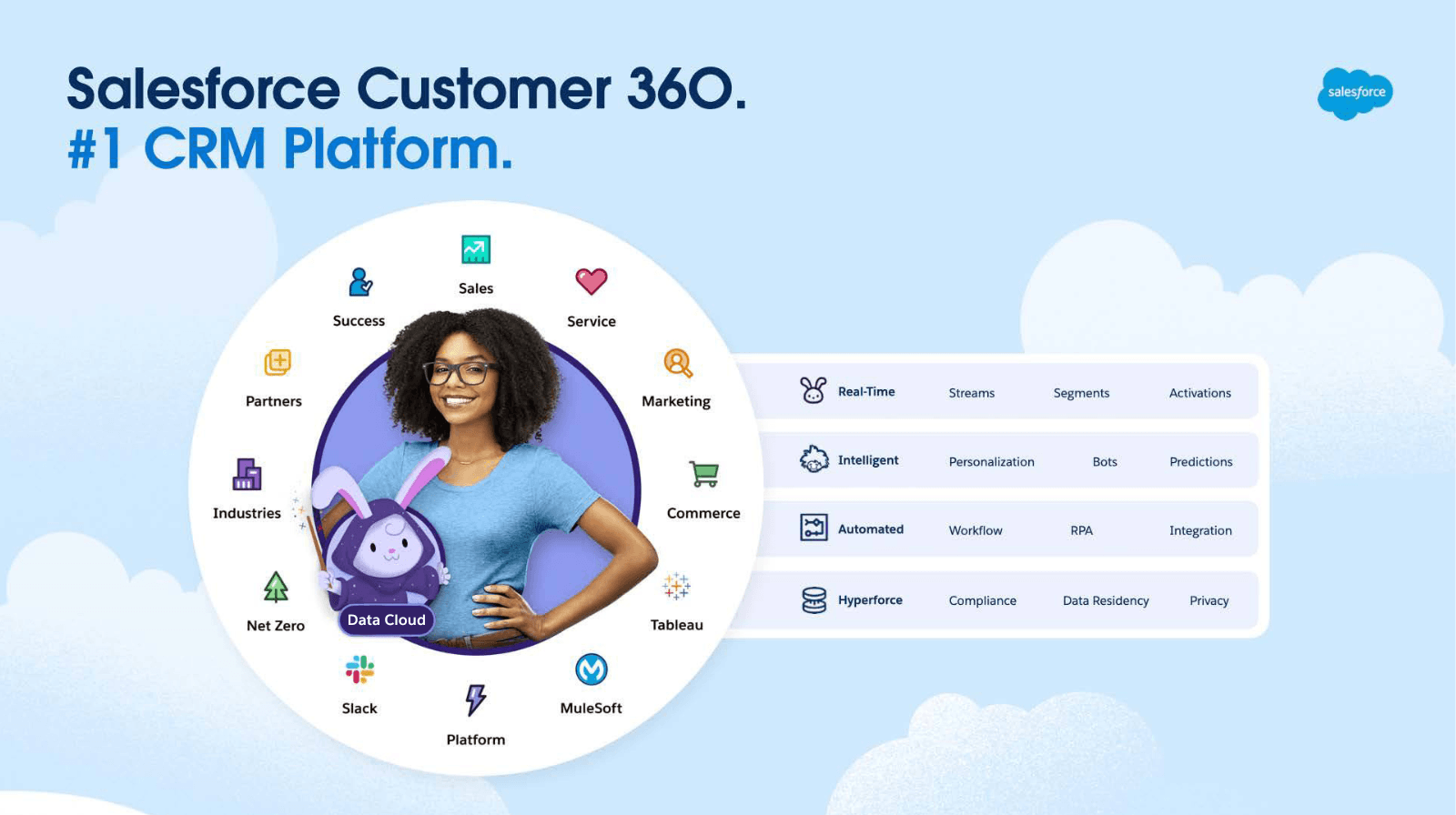

Incorporating first-party data into your personalization strategy allows your brand to create genuinely personalized user experiences, leading to higher engagement, loyalty, and, ultimately, more conversions.
How to Personalize Web Experiences in Real-time
Real-time personalization transforms a static site into a personalized user experience website that adapts to each visitor’s behavior the moment they interact. Instead of relying on pre-defined rules, real-time personalization engines dynamically analyze live user signals and adjust what is displayed — from headlines to CTAs to recommended content.
The Importance of Dynamic Website Personalization
Dynamic website personalization involves using real-time data to track user activity and instantly modify content to better align with the visitor’s current intent. Here’s how it works:
Tracking User Activity: Every interaction provides clues about intent. Actions such as page views, dwell time, scroll depth, and clicked elements reveal what the visitor is looking for. For example, spending extra time on a pricing page indicates high purchase intent.
Instant Content Adjustments: Respond to user behavior in real-time, modifying what they see based on their current actions and interest level. Example: A visitor spending several minutes on a pricing page likely signals intent to purchase. Tailored content like a special offer, demo request, or case studies could then be shown to engage the visitor further.
Benefits of AI-Driven Personalization
Responsive Content: Adjust content dynamically based on real-time user behavior.
If a visitor is casually browsing, provide informative content.
If they show more intent—such as engaging with a product page or downloading a whitepaper—present content designed to move them further along the buyer's journey.
Tailoring Content Based on Real-Time Behavior
Data-driven personalization allows for real-time content customization, such as case studies, whitepapers, and product demos, based on user behavior. Here’s how to leverage this for B2B websites:
Behavior-Based Content Suggestions: Dynamically recommend content related to the visitor’s recent interactions. For example, if a visitor frequently engages with content around a specific service or solution, the website can suggest relevant case studies.
Critical Advantages for B2B Websites:
Relevant and Timely Engagement: Personalized content is highly effective for B2B decision-makers who often seek detailed, actionable information.
Extended Engagement: By tailoring resources to match the visitor's real-time activity, you keep them engaged longer and guide them to the next step in their decision-making process.
Example: Marketo (Adobe)
Dynamic Personalization: Marketo excels at delivering real-time web personalization by dynamically adjusting content based on behavioral, firmographic, and geographic data.
AI-Driven Optimization: Using Adobe Sensei, Marketo automatically optimizes content, such as widgets and offers, as users interact with the site, keeping experiences relevant and timely even for anonymous users.
Enhanced Performance: Marketo also provides A/B testing and real-time engagement analytics, helping businesses track conversions and continually improve their personalized experiences.

Leveraging AI for Real-Time Content Recommendations
Creating a truly personalized user experience today requires more than static rules or manual targeting. Businesses must anticipate user needs and deliver content in the moment — a task made possible by AI-driven real time personalization engines. These engines analyze live behavior and instantly recommend the most relevant content, turning each interaction into a meaningful experience.
How AI and Machine Learning Predict User Needs
AI and machine learning have transformed how websites can adapt to user behaviors in real-time. By continuously processing vast amounts of data, AI models can predict what content or product suggestions will resonate with users based on their unique interactions on a site. This data-driven personalization works by:
Analyzing Behavior Patterns: AI evaluates user activities such as clicks, dwell time, and page transitions. Machine learning algorithms identify patterns from this data and predict what content or products might interest the user next.
Immediate Content Suggestions: Once the AI has predicted the user's needs, it serves personalized content, such as product recommendations or dynamic calls to action, within milliseconds. These real-time adjustments foster a highly personalized user experience by ensuring visitors see the most relevant information based on their journey.
For example, if a visitor spends time on multiple blog articles related to advanced analytics, AI may recommend a downloadable whitepaper or an upcoming webinar on that topic. This not only engages the user but also seamlessly moves them down the funnel.
The Importance of Predictive Analytics in Optimizing Real-Time Recommendations
At the core of real-time personalization lies predictive analytics, which empowers businesses to make accurate and timely content recommendations. Predictive analytics harnesses historical data combined with real-time user actions to:
Anticipate User Behavior: Predictive models utilize user data such as demographics, past interactions, and current browsing behavior to make educated guesses about what the user will likely do next.
Enhance Content Relevance: With predictive analytics, businesses can continuously refine their AI-driven personalization strategy, ensuring content remains relevant to the user’s intent. This boosts engagement rates, conversion rates, and, ultimately, customer satisfaction.
Example: Adobe Experience Cloud
A prime example of AI-driven personalization is Adobe’s Experience Cloud, which uses machine learning to deliver real-time content recommendations. Powered by Adobe Sensei, Adobe’s artificial intelligence framework, the platform enables businesses to:
Provide Tailored Recommendations: Adobe Experience Cloud leverages AI to instantly predict and deliver content that resonates with users based on their behaviors and preferences.
Optimize Engagement in real-time: With its built-in predictive analytics, Adobe continually refines recommendations to enhance engagement, improving customer experiences and business outcomes.

Real-Time Product Recommendations for B2B Platforms
In B2B, buyers expect experiences that are just as relevant and immediate as in consumer markets. This is where real time personalization creates measurable impact — especially through dynamic product and service recommendations. By analyzing live user interactions, real time personalization engines deliver tailored suggestions that feel intuitive and helpful rather than generic.
How Companies Can Deliver Relevant Product Suggestions in Real-time
All platforms can significantly enhance user experience by deploying real-time personalization tools that dynamically adjust product or service recommendations based on real-time user interactions. These systems rely on AI-driven personalization, which processes live data, such as browsing behavior, clicks, and previous engagements, to deliver highly relevant suggestions immediately. Here's how it works:
User Interaction Analysis: B2B platforms track actions such as which product categories users explore, the time spent on specific product pages, and their previous purchase history. By analyzing these behaviors, AI can predict which products or services the user is most likely interested in and provide immediate recommendations.
Dynamic Content Adjustments: As users interact with different elements of a B2B website, product catalogs, and service suggestions are tailored to reflect their interests in real-time. This could include suggesting complementary products, promoting items frequently bought together, or highlighting new services that align with the user's industry or past interactions.
For example, suppose a user visits a page related to cloud infrastructure solutions. In that case, the platform can instantly adjust to display relevant case studies, technical documents, or additional services related to that topic. This level of real-time personalization ensures that users receive content and product suggestions that are timely and highly relevant to their current interests.
Tailoring Product Catalogs or Service Suggestions Based on Live Behavior
The ability to customize product catalogs or service offerings based on data-driven personalization makes B2B platforms far more effective at capturing and maintaining user interest. By responding to live browsing behavior, these platforms can offer a personalized experience that reflects each user's specific needs, helping to drive engagement and conversions. Key tactics include:
Real-Time Adjustments to Product Catalogs: B2B platforms can use AI-driven personalization to modify product catalogs automatically based on live browsing data. For instance, if a user repeatedly visits a particular product category, the system can prioritize related products or services within the catalog, making them more prominent in the user's browsing experience.
Previous Engagement-Based Suggestions: The system can also pull from previous user interactions, such as past purchases or items added to a wishlist, to refine recommendations further. This ensures that users see suggestions most relevant to their long-term needs and preferences, encouraging them to take the next step in their purchasing journey.
Example: Ewiz commerce

Ewiz Commerce illustrates the value of AI-driven personalization in B2B. Their platform uses real time personalization engines to dynamically recommend products and services based on browsing behavior and purchase history. By tailoring suggestions instantly, Ewiz helps buyers discover the most relevant solutions, increasing satisfaction and accelerating purchase decisions.
Using Real-Time Personalization in Chatbots and AI Assistants
AI-powered chatbots and virtual assistants have become an integral part of modern customer journeys. When combined with real time personalization, they evolve from simple Q&A bots into intelligent, adaptive guides that deliver a personalized user experience at scale.
Role of AI-Powered Chatbots in Delivering Personalized Experiences in Real Time
AI-powered chatbots have transformed how businesses interact with their users, particularly regarding personalized user experiences. These chatbots utilize AI-driven personalization to tailor real-life conversations, creating unique and meaningful interactions catering to user behavior.
Here’s how chatbots achieve this:
Instant Response to Behavior: AI chatbots analyze a user's live inputs—whether through text, voice, or actions on the website—to adjust their responses and recommendations. They can instantly recognize patterns, such as repeated inquiries or specific keywords, to offer personalized and targeted responses to the user's particular needs.
24/7 Availability with Personalization: Chatbots can continuously interact with users, offering personalized assistance regardless of time zones or business hours. Their ability to pull from data-driven personalization ensures that users receive relevant suggestions based on their interactions, enhancing engagement even outside typical support hours.
These capabilities make AI-powered chatbots an invaluable tool for providing users with immediate and personalized support while driving them toward conversion or the next step in their journey.
Chatbots Adjust Messaging and Suggestions Based on Real-Time Data
One of the critical advantages of AI-driven personalization is the ability of chatbots to adjust their messaging dynamically, responding to live user inputs. Chatbots can also analyze browsing data, helping them refine their responses and suggestions to align more with the user's behavior and preferences in real-time. Here’s how they adapt:
Contextual Conversations: As a user interacts with a chatbot, the AI continuously adapts its messaging. For example, suppose a user is navigating a product catalog or frequently visiting certain pages. In that case, the chatbot can automatically adjust its responses to focus on relevant product recommendations, providing a seamless experience tailored to the user’s specific interests.
Live Behavior Analysis: Chatbots can incorporate real-time browsing behavior into their responses. For instance, if a user visits a page about a particular service, the chatbot can instantly suggest related resources, such as case studies or product demos, to further guide the user’s journey.
This level of real-time personalization enhances the relevance of the interaction, ensuring that users receive valuable information that is directly aligned with their immediate needs.
Example: Drift
A standout example of AI-driven personalization in action is Drift, a leading provider of AI chatbots for businesses. Drift’s chatbots engage visitors with personalized conversations in real-time, adapting their messaging based on live user input and browsing behavior.

Real-Time Personalization Across Channels
Today’s customers don’t engage with your business in just one place — they move between websites, mobile apps, emails, and social media. To deliver a true personalized user experience, brands must ensure personalization is consistent across every touchpoint. This is where real time personalization engines create powerful value: by synchronizing data instantly and adapting experiences wherever the user interacts.
How to Implement Real-Time Personalization Across Multiple Channels
Implementing real-time personalization across different channels involves synchronizing data and user behavior in real-time to ensure consistency, no matter where the user interacts with your brand. Here are key ways to achieve this:
Unified Data Collection: The first step in cross-channel personalization is consolidating user data from all channels, such as web browsing behavior, engagement from email campaigns, and interactions on social media. A centralized platform (like a CDP or an integrated CRM) processes this data in real-time, enabling personalization across each touchpoint.
Consistent Personalization Across Channels: Once data is unified, businesses can ensure that users receive consistent, personalized experiences, regardless of the channel. For example, if a user shows interest in a specific product on a website, follow-up emails, ads on social media, or even in-app messages can be tailored to reflect that interest in real-time
Real-Time Adjustments: AI tools can dynamically adjust the content, product recommendations, and messaging across all platforms in real-time, ensuring that users receive relevant and personalized content wherever they interact with the brand. This creates a seamless experience that feels cohesive and targeted across all touchpoints.
Importance of Cross-Channel Integration in Real-Time Personalization Strategies
Cross-channel integration is essential to ensure a smooth and coherent personalized experience. Users might receive disjointed or redundant messages without integration, leading to frustration and disengagement. The key benefits of cross-channel integration include:
Enhanced User Experience: With real-time data and AI, businesses can ensure that personalized experiences are consistent, providing users with relevant suggestions, promotions, or content on any channel they engage with. This keeps users engaged and prevents the fragmentation of their experience.
Better Engagement and Conversions: Consistency across channels helps create a unified narrative for the user. When businesses deliver consistent messaging based on real-time data, it reinforces trust and drives engagement, leading to higher conversions overall.
Example: Starbucks: A strong example of real-time personalization across channels is Starbucks' use of its mobile app, website, and email marketing to deliver consistent and relevant customer experiences.

Measuring the ROI of Real-Time Personalization
For many businesses, the question isn’t just what is real time personalization is, but also what is its impact. To prove value, marketers must track the ROI of their personalization strategies. The good news is that real time personalization engines generate clear, measurable results across engagement, conversions, and customer loyalty.

How to Track the Success of Real-Time Personalization Efforts
Several KPIs help measure the effectiveness of real-time personalization, each shedding light on different aspects of user interaction and business impact:
Conversion Rates: One of the most direct indicators of success is an improvement in conversion rates. By personalizing experiences in real-time, you can more effectively guide users to relevant content or products, leading to a higher likelihood of conversion. Tracking conversion rates for personalized content versus non-personalized content offers valuable insights into the effectiveness of your personalization efforts.
Time on Site: Personalization can significantly increase the amount of time users spend on your website. When visitors encounter tailored content that aligns with their needs and preferences, they will likely engage with your site longer. Measuring the average session duration or specific page dwell times can indicate the success of personalized user experiences.
Lead Generation: Personalization can also improve lead generation efforts by delivering relevant offers and content at the right time. Tracking the number of leads generated from personalized interactions—such as forms completed after a real-time personalized suggestion—provides a clear metric for success.
Customer Lifetime Value (CLV): By delivering consistent, personalized experiences, businesses can increase customers' long-term value. CLV is a key indicator of how well real-time personalization enhances customer loyalty, retention, and repeat purchases over time.
Bounce Rates: Personalizing landing pages and content based on real-time behavior can lower bounce rates, keeping users engaged longer and reducing the likelihood of them leaving after viewing just one page.
Tools and Techniques for Measuring the Effectiveness of Your Personalization Strategy
To properly evaluate your personalized user experience strategy, the right tools and techniques must be employed to track and analyze data. Here are some methods for measuring the ROI of your real-time personalization efforts:
A/B Testing: A/B testing allows businesses to compare personalized content against non-personalized versions to see which performs better. By analyzing user behavior and conversions in both cases, companies can gauge the actual effectiveness of their personalization efforts. Tools like Fragmatic, etc., can be used for A/B testing.
Web Analytics Tools: Tools like Google Analytics, Adobe Analytics, and Heap help track essential KPIs, such as conversion rates, bounce rates, and time on site. These platforms can be configured to measure the performance of personalized content and provide insights into user behavior across different touchpoints.
Customer Data Platforms (CDPs): CDPs like Segment or Fragmatic collect and centralize user data across various channels, offering detailed insights into user behavior and interactions. By analyzing this data in real-time, businesses can better understand the impact of data-driven personalization and optimize their strategies accordingly.
Marketing Automation Platforms: Platforms like HubSpot and Marketo provide valuable tools for tracking lead generation, engagement, and conversions due to AI-driven personalization. These platforms often have built-in analytics features that measure the success of personalized email campaigns and real-time web interactions.
Heatmaps and Session Recordings: Tools like Hotjar, Crazy Egg, and Fragmatic visually represent how users interact with your website. By analyzing heatmaps and session recordings, businesses can gain insights into how personalized content influences user behavior, allowing for further optimization.
Example: Spotify

A great example of tracking ROI through real-time personalization is Spotify. The music streaming giant uses AI-driven personalization to recommend songs, playlists, and podcasts to users based on their listening behavior and preferences. Spotify measures the success of its personalization strategy through various KPIs, such as:
- Increased User Engagement: Spotify tracks time spent listening to personalized playlists, such as Discover Weekly, compared to general playlists.
- Customer Retention Rates: By delivering hyper-personalized content, Spotify reduces churn and enhances long-term customer loyalty, reflected in improved retention rates.
Conversion to Paid Subscriptions: Spotify also tracks how personalized recommendations encourage free users to convert to paid subscriptions, driving revenue growth.
Final Words
Real-time personalization has revolutionized how businesses engage with their audiences. By leveraging AI-driven personalization and data-driven personalization, companies can instantly deliver tailored experiences that respond to individual behaviors and preferences, making interactions more relevant, meaningful, and engaging. Real-time personalization ensures that users feel understood and valued at every touchpoint, whether through dynamic website content, personalized emails, product recommendations, or chatbots.


