Welcome to the Era of Smart Everything
Right from the smart refrigerator that reminds you when to buy milk to the wearable devices that monitor your heartbeat, IoT is revolutionizing human experience. To the marketer it is not simply a high-tech device, this is a market that is virtually begging to be cultivated.
So, what exactly is IoT? It might be better thought of as a web of constituents, each of which gathers and share information in real time. What these “things” include are the small machines we use in our homes and doing laundry and the cars we use on the roads right up to the large complicated machines that are used in industries and even whole cities. But here’s the kicker: The Internet of Things is not simply about things speaking to each other; it is the abundance of data the things create – and that data is the key to unlocking the important elements of consumer behavior.
Here IoT is no longer the topic of some geeks and tech aficionados. It’s the marketer’s-tool for super personalization. Picture this: From your customer’s smartwatch, it becomes evident that they have just finished an exercise session. Your app, just using IoT data, could suggest a cool protein shake right now – and it would arrive in less than an hour. Or giving a notification of a discount in the sunscreen at the time someone reaches a sunny tourist destination. The real value of IoT starts from the fact that it supplies one with contextual and real-time information to enhance personalization. But in a world where consumers are bombarded with the same and similar ads and promotional offers, few of these micro-moments of relevance are what create and sustain customer loyalty and sales.
What Exactly Are IoTs?
If the term ‘Internet of Things’ seems new and is all about acronyms and jargons, do not be dismayed for you are not the only one. Alright, let’s simplify it. IoT is all about having connection of devices to the internet and being able to share data in real time to aid in proper decision making.
The Internet of Things (IoT) is about devices connected to the internet, sharing data in real-time, and enabling smarter decisions. Think of your favorite coffee pot starting your day coffee because you preset it from your alarm clock or your heating system setting itself to your desired temperature by the time you get back from work. It isn’t magic; it’s IoT that is at play here.
Think of it like this:
- Devices: Anything that can connect to the internet—wearables, home appliances, vehicles, and even industrial machines.
- Real-time data sharing: These devices collect and transmit data to systems, apps, or other devices.
- Smarter decisions: These systems make recommendations, send alerts, or automate tasks based on the data to simplify life and improve efficiency.
In other words, IoT links the physical and digital worlds delivering greater efficiency, knowledge and yes, intelligence to our daily existence.
Types of IoTs
IoT comes in many forms, serving various needs across industries. Here are the main types:
- Consumer IoT: The devices we interact with daily—smartphones, fitness trackers, smart speakers, and home security systems—are all designed to make our lives easier and more connected.
- Industrial IoT (IIoT): In manufacturing, healthcare, and logistics industries, IoTs monitor machinery, track supply chains and improve operational efficiency. For example, IoT sensors can predict when a factory machine needs maintenance before it breaks down.
- Smart Cities IoT: Think traffic lights that adjust to real-time congestion or smart waste bins that alert when they’re full. IoT is helping cities become more efficient and sustainable.
- Enterprise IoT: Businesses use IoT to streamline operations. From connected conference rooms to asset tracking in warehouses, these devices enhance productivity and decision-making.
How It Works
IoT might seem complex, but its process is relatively straightforward:
- Data Collection: IoT devices have sensors that collect data from their surroundings. For example, a smartwatch could monitor your heart rate, or a car could detect tire pressure.
- Data Transmission: The device sends the collected data online to a cloud platform or a connected system.
- Data Analysis: This data is processed and analyzed in the cloud. For example, your smart fridge can detect that you’re out of eggs based on patterns in the stored data.
- Decision Making: Once the data is analyzed, the system makes decisions or sends alerts. For example, your fridge might notify you to buy eggs or even place an order for you.
- Action: The final step involves an action, whether it’s a notification to your phone, an automated process, or an integration with another system.
How IoT Unlocks Hyper-Personalization for Marketers
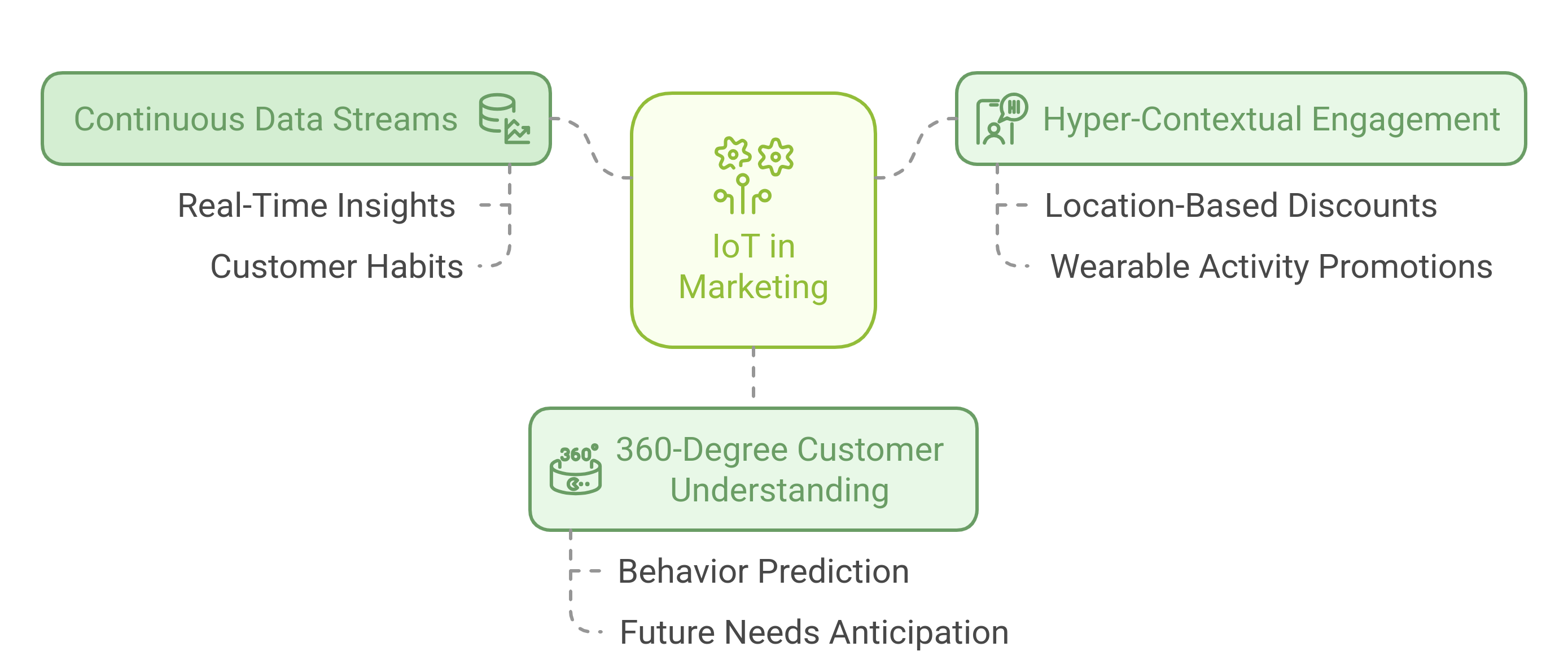
Real-Time Insights
IoT devices are constantly collecting data—whether it’s your smartwatch tracking your daily steps or a smart fridge monitoring your groceries. These devices don’t just gather data once and call it a day—they stream continuous, real-time insights about customers’ habits, preferences, and contexts. For marketers, this means you’re no longer relying on delayed or incomplete data. Instead, you get a live feed of what your customers are doing, what they need, and when they need it. For example, if a fitness tracker detects that someone just completed a run, you could send them an ad for a refreshing sports drink. This level of precision takes personalization to an entirely new level.
Hyper-Contextual Marketing
IoT allows you to deliver messages that are not just personalized but also deeply contextual. What does this mean? You can engage customers based on where they are, what they’re doing, or even what mood they might be in. Imagine this: A customer wearing a smartwatch walks into your retail store. The IoT device identifies their location and knows they’ve been researching running shoes online. You could send them a personalized push notification offering a 20% discount on running gear, right as they’re browsing. This is the beauty of IoT—it makes marketing feel natural and timely rather than intrusive. By meeting customers exactly where they are (both physically and digitally), you build trust and create memorable experiences.
Predictive Power
IoT doesn’t just show you what’s happening now—it helps you predict what’s likely to happen next. This is where its real magic lies. By analyzing IoT data over time, marketers can identify patterns and anticipate future needs.
For instance:
A connected fridge could alert a grocery store app that a customer is running low on milk, triggering a reminder to restock—or better yet, an automatic delivery option.
A smart car could notify a service center about upcoming maintenance needs, prompting an email with special service discounts.
By using IoT to stay one step ahead, you’re not just marketing; you’re solving problems for your customers before they even realize they have them. That’s the kind of proactive service that builds loyalty and keeps customers coming back.
The Big Picture: Why IoT is a Personalization Goldmine
IoT doesn’t just add another layer of data; it transforms the way marketers understand and interact with their audience. It bridges the gap between digital and physical worlds, giving you a 360-degree view of your customers. This means you can tailor your marketing efforts to their unique needs, preferences, and behaviors—not in a generic way, but with precision and empathy. It’s not just about selling anymore; it’s about creating experiences that feel like they were made just for your customer. And IoT is your ultimate tool to make that happen.
Why Marketers Can’t Afford to Ignore IoT
The Internet of Things (IoT) isn’t just a tech buzzword; it’s a fundamental shift in how brands interact with customers. For marketers, IoT is like opening a treasure chest of opportunities to craft meaningful, personalized, and timely experiences. It enables you to connect with your audience on a level that feels intuitive, human, and incredibly relevant. Let’s explore why ignoring IoT could mean missing out on the future of marketing.
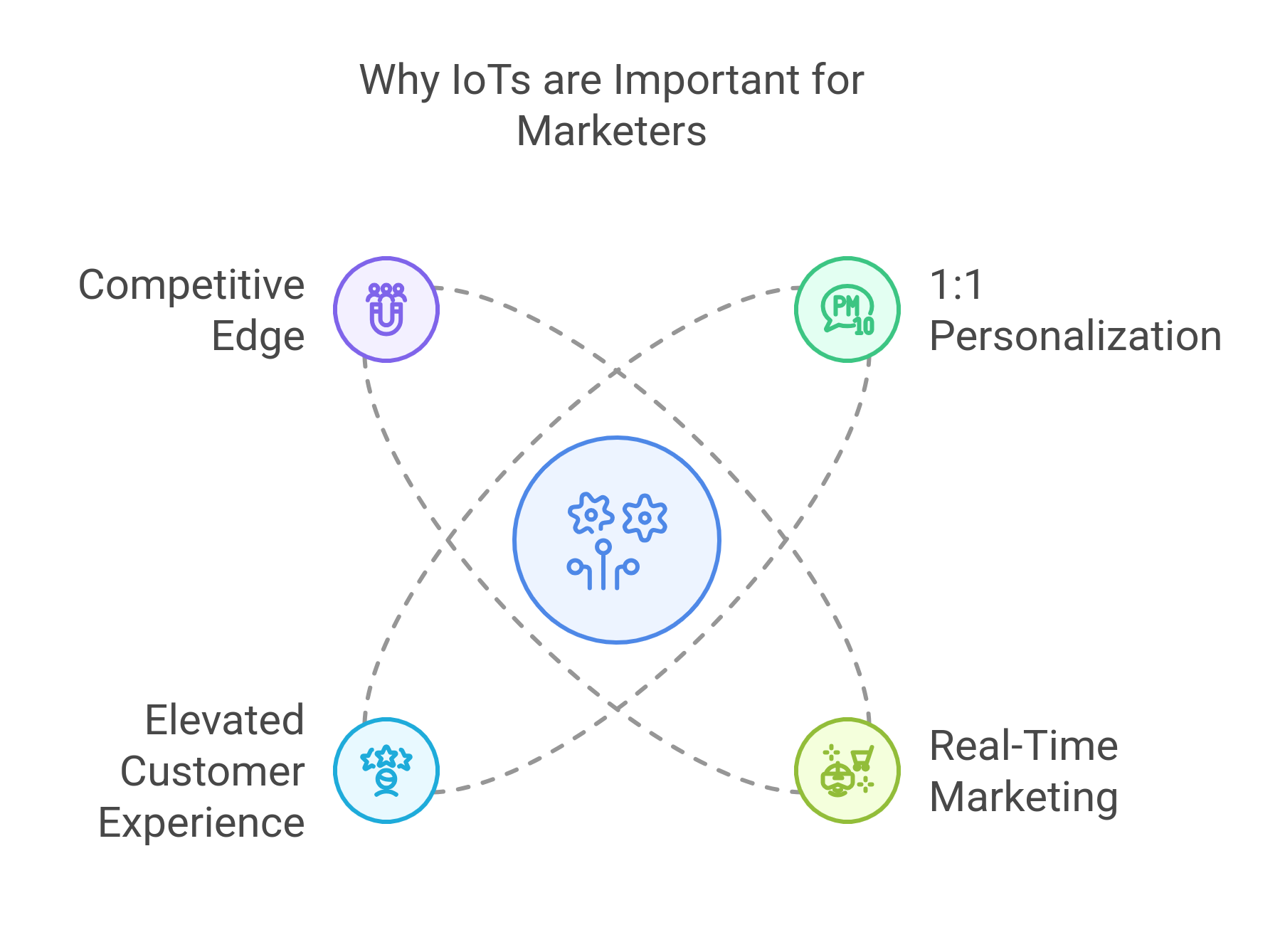
1:1 Personalization at Scale
Personalization has always been a cornerstone of great marketing, but IoT takes it to unprecedented levels. With IoT, you’re not just guessing what your customer might like—you know. These connected devices constantly generate insights about individual habits, preferences, and patterns. Here’s an example: Imagine a customer’s smartwatch detects they’ve just completed their daily workout. Minutes later, they receive a push notification offering a discount on protein shakes or hydration products. This isn’t just personalization—it’s contextual personalization. IoT allows marketers to craft interactions so specific and timely that they feel almost magical. You can deliver highly relevant messages at just the right moment, creating a sense of connection and care that traditional marketing simply can’t achieve.
Real-Time Marketing
Marketing has always been about being in the right place at the right time, and IoT turns this concept into a science. Geofencing, for example, lets you set up virtual boundaries around physical locations. When a customer’s IoT-enabled device enters this zone, you can trigger a personalized message or promotion. Imagine this scenario: A customer with a smart device walks past your café, and their phone lights up with, “Feeling chilly? Warm up with our pumpkin spice latte—20% off for the next 30 minutes.” The immediacy of this interaction not only grabs their attention but also motivates quick action. IoT bridges the gap between physical presence and digital engagement, making real-time marketing more precise and impactful than ever before.
Elevated Customer Experience
Today’s customers expect more than just good deals—they expect meaningful experiences that show brands truly get them. IoT empowers you to create those experiences by anticipating customer needs before they even realize them. For instance:
A smart car detects that a customer’s tire pressure is low. You, as a service provider, send them a notification offering a nearby tire check-up with a special discount.
A connected thermostat detects seasonal temperature changes and suggests energy-saving tips alongside a promotion for your energy-efficient products.
These are small but powerful ways to delight your customers by offering convenience, care, and value. Over time, these proactive interactions build trust and make your brand a go-to solution for their needs.
Competitive Edge
In today’s hyper-competitive market, staying ahead often boils down to how well you understand and serve your customers. IoT gives you the tools to do this better than anyone else.
By leveraging IoT data, you can:
Predict what customers will need next and be ready to offer it before they ask.
Personalize interactions at a depth most competitors can’t match.
Build stronger emotional connections by consistently delivering value and solving real problems.
For example, an IoT-enabled loyalty program could track customers’ smart fridge data to automatically suggest recipes based on their current stock, paired with a coupon for missing ingredients. This level of personalization turns ordinary buyers into loyal advocates who see your brand as a partner in their daily life. Companies that embrace IoT now are positioning themselves as innovative leaders, while those that don’t risk falling behind. The ability to use IoT-enabled personalization as a strategic tool can make the difference between a brand that’s noticed and one that’s unforgettable.
The Bottom Line: IoT Isn’t Optional—It’s Essential
IoT isn’t just another tool in a marketer’s kit; it’s the foundation of a future where customer experiences are seamless, personalized, and deeply engaging. It lets you meet your audience where they are, anticipate their needs, and delight them with solutions that feel almost effortless. The choice is clear: embrace IoT now to stay competitive, create memorable experiences, and build long-term customer loyalty. Because in the world of tomorrow, marketing without IoT isn’t just outdated—it’s irrelevant.
IoT Marketing in Action
IoT isn’t just theoretical—it’s already transforming industries with real-world applications that make marketing smarter, more relevant, and more customer-centric. Let’s explore how businesses across various sectors are leveraging IoT to create memorable experiences and drive growth.
Retail
IoT is redefining the traditional shopping experience by combining convenience with personalization.
Beacons in Stores: Picture a customer walking past an aisle, and their smartphone buzzes with a notification: “20% off your favorite skincare product—just a few steps away!” Beacons use location-based technology to push product recommendations and offers in real-time, encouraging immediate purchases.
Smart Mirrors: Imagine trying on clothes virtually without stepping into a fitting room. Smart mirrors let shoppers see how an outfit looks on them and even suggest matching accessories to upsell. It’s a seamless blend of convenience and upselling that keeps customers engaged.
Hospitality
IoT in hospitality ensures guests feel valued and cared for, turning one-time visitors into repeat customers.
Smart Room Preferences: IoT-enabled systems allow hotels to personalize stays. From adjusting the room temperature to match a guest’s preference upon arrival to pre-setting their morning coffee order, the experience feels tailored to them.
Customized Offers: Based on usage data from in-room smart devices, hotels can suggest personalized upgrades or packages, such as a spa treatment for a guest who frequently uses the fitness center.
Healthcare
IoT-powered wearables and health devices are revolutionizing how healthcare providers and brands engage with their audiences.
Wearables and Fitness Insights: Devices like smartwatches track activity levels, heart rates, and sleep patterns. Marketers can use this data to suggest personalized fitness routines or promote wellness campaigns that align with the user’s goals. For example, a fitness app might recommend a tailored workout plan based on the user’s step count or calorie burn.
Preventive Campaigns: IoT devices can flag health risks early. For instance, a wearable may detect abnormal heart activity and prompt users to book a consultation, tying into healthcare providers’ campaigns that emphasize preventive care.
Smart Homes
IoT transforms homes into hubs of interconnected convenience, providing endless opportunities for cross-selling and upselling.
Connected Devices: A smart refrigerator can detect when milk is running low and suggest placing an order through a partner retailer. A thermostat might analyze energy usage patterns and recommend energy-efficient products or services.
Integrated Ecosystems: By integrating multiple devices, marketers can create campaigns that cater to entire lifestyles. For instance, promoting a recipe book or food delivery service alongside a connected kitchen gadget.
Automotive
Connected cars are the new frontier of IoT marketing, offering brands opportunities to interact with drivers on the go.
Maintenance Alerts: IoT sensors in cars can detect when it’s time for an oil change or tire rotation and send drivers a reminder. Combine this with a location-based discount from a nearby service center, and you’ve created a win-win scenario.
Enhanced Roadside Assistance: IoT-enabled cars can automatically notify service providers in case of a breakdown, giving companies a chance to offer timely assistance and promote extended warranties or insurance products.
IoT is more than just a collection of smart devices—it’s a tool that enables marketers to connect with customers at the perfect moment, in the perfect way. By tapping into the vast potential of IoT, brands can go beyond selling products and services; they can deliver experiences that resonate, build trust, and inspire loyalty.
Examples of Popular IoT Devices
To fully grasp the impact of IoT, it’s essential to look at some of the most widely used IoT devices. These gadgets have seamlessly integrated into daily life, making homes smarter, routines smoother, and marketing opportunities endless.
Google Home Voice Controller
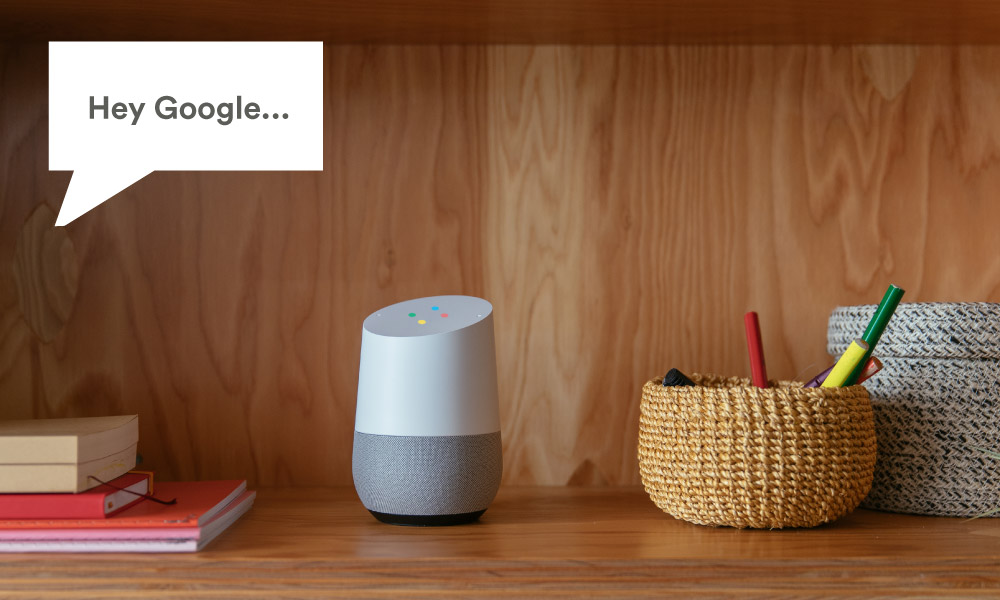
Google Home is more than a voice assistant—it’s a hub for managing connected devices. From controlling smart lights and thermostats to setting reminders and playing music, this device embodies convenience.
Marketing Implications - Brands can integrate with Google Home to enable voice-activated shopping, suggest products based on user habits, or deliver content, such as cooking tips or podcasts. For example, if a user frequently orders groceries via voice commands, a brand can offer tailored discounts or promotions for their favorite products.
Amazon Echo Plus
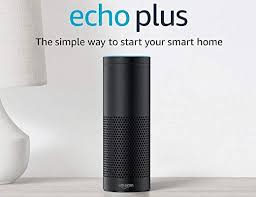
Amazon Echo Plus, powered by Alexa, is a versatile IoT device that connects and controls an entire smart home ecosystem. From checking weather updates to making hands-free calls, it’s a device that simplifies daily life.
Marketing Implications - Echo Plus allows brands to engage with consumers in innovative ways. For instance, a recipe brand could deliver step-by-step cooking instructions through Alexa while recommending ingredients available for order. Similarly, a fitness brand could create an Alexa Skill to guide users through at-home workouts, subtly promoting their fitness gear or supplements.
Smartwatches
Smartwatches like the Apple Watch and Fitbit have become essential accessories, blending health tracking with communication and entertainment. These devices monitor heart rates, activity levels, sleep patterns, and more.
Marketing Implications - For marketers, smartwatches unlock opportunities for hyper-personalized wellness campaigns. Imagine sending fitness enthusiasts promotions for running shoes after they’ve completed a milestone distance or partnering with a smartwatch brand to deliver health-related insights directly to users. The combination of data-rich insights and real-time accessibility makes smartwatches an IoT powerhouse.
Conclusion
IoT isn’t just a technological innovation—it’s a paradigm shift in how businesses interact with their customers. From providing real-time insights to enabling hyper-contextual marketing, IoT turns marketing into an anticipatory and deeply personal experience. IoT is no longer a futuristic concept; it’s happening here and now. Connected devices like Google Home, Amazon Echo Plus, and smartwatches are reshaping consumer expectations and creating opportunities for marketers to innovate. The key lies in understanding how these technologies can seamlessly integrate into your strategy to deliver exceptional customer experiences.
So, what’s your next move? Challenge yourself to explore how IoT can fit into your marketing strategy. Map out your customer journey and pinpoint areas where IoT can enhance personalization, engagement, or convenience. Remember, early adopters often reap the biggest rewards. Let’s embrace the IoT revolution together. What’s your plan to get started?