Introduction
Imagine losing a million-dollar deal not because your product wasn’t the right fit, but because your personalized pricing strategy didn’t connect with the client’s unique needs. This is the reality in today’s B2B SaaS market, where rigid, one-size-fits-all pricing is no longer enough. So, what is personalized pricing? At its core, it’s about moving beyond fixed models and aligning prices with each customer’s value drivers, budget, and expectations. Businesses that embrace dynamic and personalized pricing—rather than outdated static models—are sealing more deals, building stronger trust, and driving higher ROI. In this guide, we’ll provide a clear personalized pricing definition, share real-world personalized pricing examples, and explore actionable strategies to help you design a personalized pricing strategy that works in 2025 and beyond. Get ready to learn how to turn pricing from a deal-breaker into a true deal-maker.
What is Personalized Pricing?
Personalized pricing is the practice of adjusting your price based on the unique characteristics, needs, and value perception of each customer. Unlike a one-size-fits-all approach, personalized pricing takes into account factors such as company size, usage levels, industry, or ROI expectations. In simple terms, if you’ve ever asked “what is personalized pricing?”—it’s a strategy where businesses align their pricing with customer context rather than offering a fixed universal rate. To define personalized pricing clearly: it is the method of tailoring costs so that every prospect feels your solution matches both their goals and their budget.
Why Traditional Pricing Models Fall Short
Fixed or rigid pricing models often fail in B2B because they ignore diversity in customer needs. What feels affordable for an enterprise buyer might be inaccessible for a mid-market company. Conversely, a lower-tier fixed package may undersell value to customers willing to invest more. This mismatch often leads to lost deals or misaligned expectations. That’s why businesses are moving away from static price tags and adopting dynamic and personalized pricing—ensuring every customer sees value and fairness.
The Case for Personalized Pricing in B2B
Discover why tailored pricing strategies are essential in the B2B space, where complex sales cycles, diverse stakeholders, and high-value transactions demand a more sophisticated approach to pricing.
The Stakes are Higher in B2B
B2B transactions operate in a different league altogether. Unlike B2C purchases, where decisions might be made in few days, B2B sales cycles often stretch across months, involving multiple stakeholders and complex buying committees. When deal values routinely reach six or seven figures, the impact of getting your pricing strategy wrong isn't just a lost sale – it's a massive opportunity cost that can affect your entire fiscal year.
Why Pricing Needs to Be Personal in SaaS Sales
B2B SaaS buyers aren’t just comparing features—they’re calculating ROI, considering internal approval cycles, and weighing long-term partnership potential. A personalized pricing strategy acknowledges these factors. By aligning pricing with customer outcomes, businesses can transform pricing from a point of friction into a point of persuasion. For example, a marketing SaaS vendor might offer flexible enterprise pricing tied to lead volume rather than seats. This personalization communicates that the vendor understands the client’s success metrics, making the purchase decision far easier.
From Fixed Models to Dynamic and Personalized Pricing
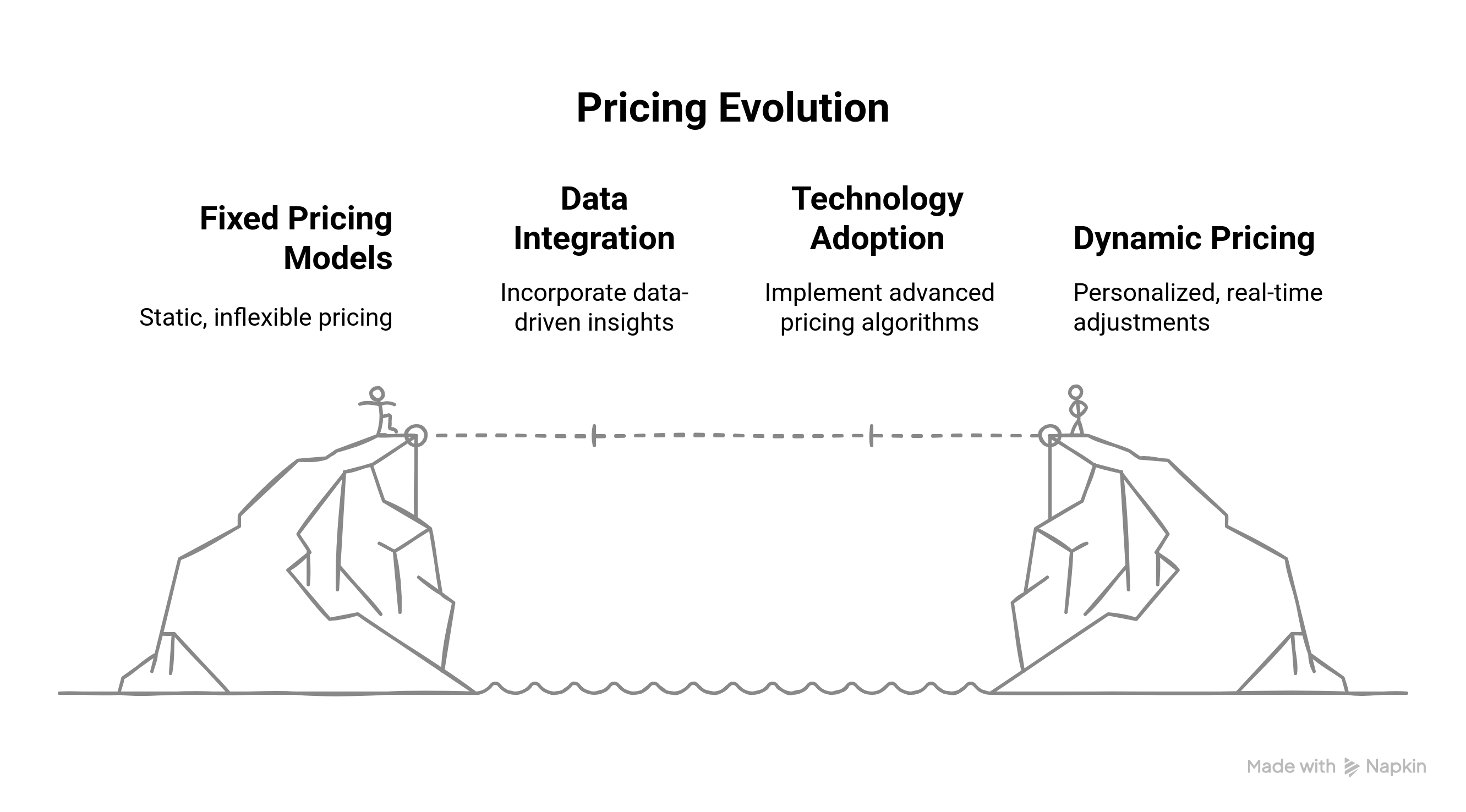
How Pricing Evolved With Data and Technology
Pricing has evolved in parallel with digital transformation. Where businesses once relied on static models and set rates, modern companies leverage analytics, CRM data, and AI tools to create adaptive pricing models. This shift means pricing is no longer a static figure—it’s a strategic tool informed by customer data, purchase history, and predictive analytics. Personalized pricing today is about using technology to align value with willingness to pay.
Dynamic and Personalized Pricing in Today’s Market
In today’s competitive SaaS landscape, dynamic and personalized pricing is quickly becoming the norm. Businesses can adjust prices based on demand, usage, competitor shifts, or even account potential. For example:
- A SaaS company might offer discounted tiers for startups but custom enterprise quotes for Fortune 500 clients.
- A cloud platform might adapt costs based on storage usage to ensure fairness across customer segments.
The key is transparency—buyers must feel that personalization benefits them, not just the vendor’s margins. When executed well, dynamic pricing shows flexibility, builds trust, and accelerates deal closures.
7 Proven Personalized Pricing Strategies
The art of personalized pricing isn't about random discounting—it's about implementing systematic approaches that align with customer needs and business objectives. Let's explore seven proven strategies that can transform your pricing from a barrier to a bridge in closing deals.
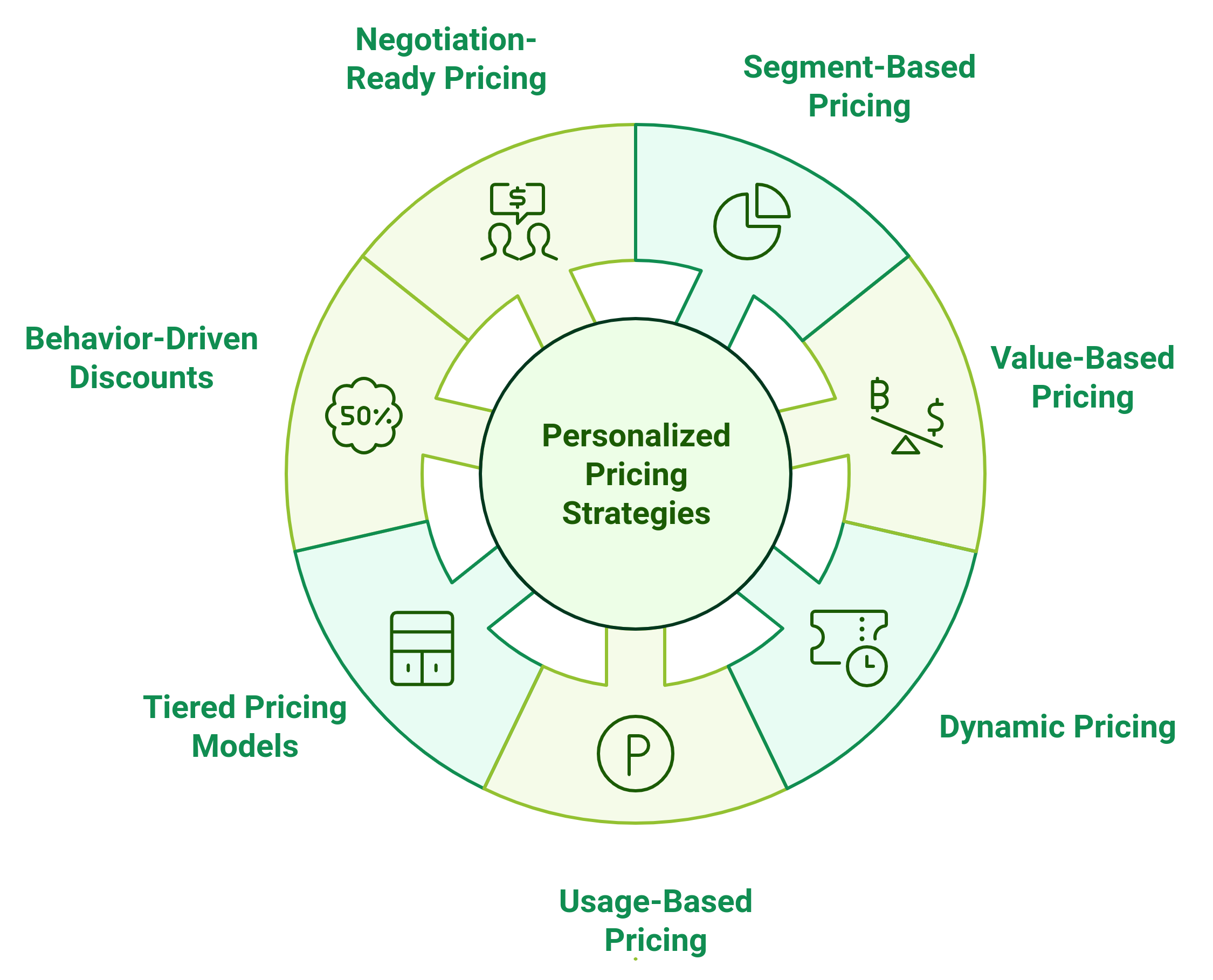
Segment-Based Pricing
Segment-based pricing involves tailoring your pricing structure based on specific customer segments, such as industry, company size, or use case. This strategy works by first identifying distinct customer segments, understanding their unique value perceptions and price sensitivities, and then creating targeted pricing packages that align with each segment's needs and budget constraints. Implementation requires clear segment definitions, value propositions for each segment, and training sales teams to qualify prospects effectively.
Example: Salesforce Sales Cloud
Enterprise: Essentials edition at $165/user/month
Unlimited: At $330/org/month
Einstein 1 Sales: $500/org/month.
Value-Based Pricing Approach
Value-based pricing aligns the price of a product or service with the value it delivers to the customer. This approach requires understanding the customer’s business objectives and quantifying how the offering impacts their ROI. When executed well, it positions your product as an investment rather than a cost. This strategy works best when the product has measurable benefits that resonate with the customer's KPIs. Businesses should be diplomatic in determining value for various stakeholders, ensuring the pricing feels justified across customer types.
Slack serves as a prime example of a SaaS company implementing value-based pricing. The platform has nearly 170,000 paying customers, including startups and large multinational corporations. When Slack introduced its Pro Plan, it marked the company's first price hike since its inception in 2014. This plan, designed mainly for small business teams, includes features such as Google Drive integration and voice calling.
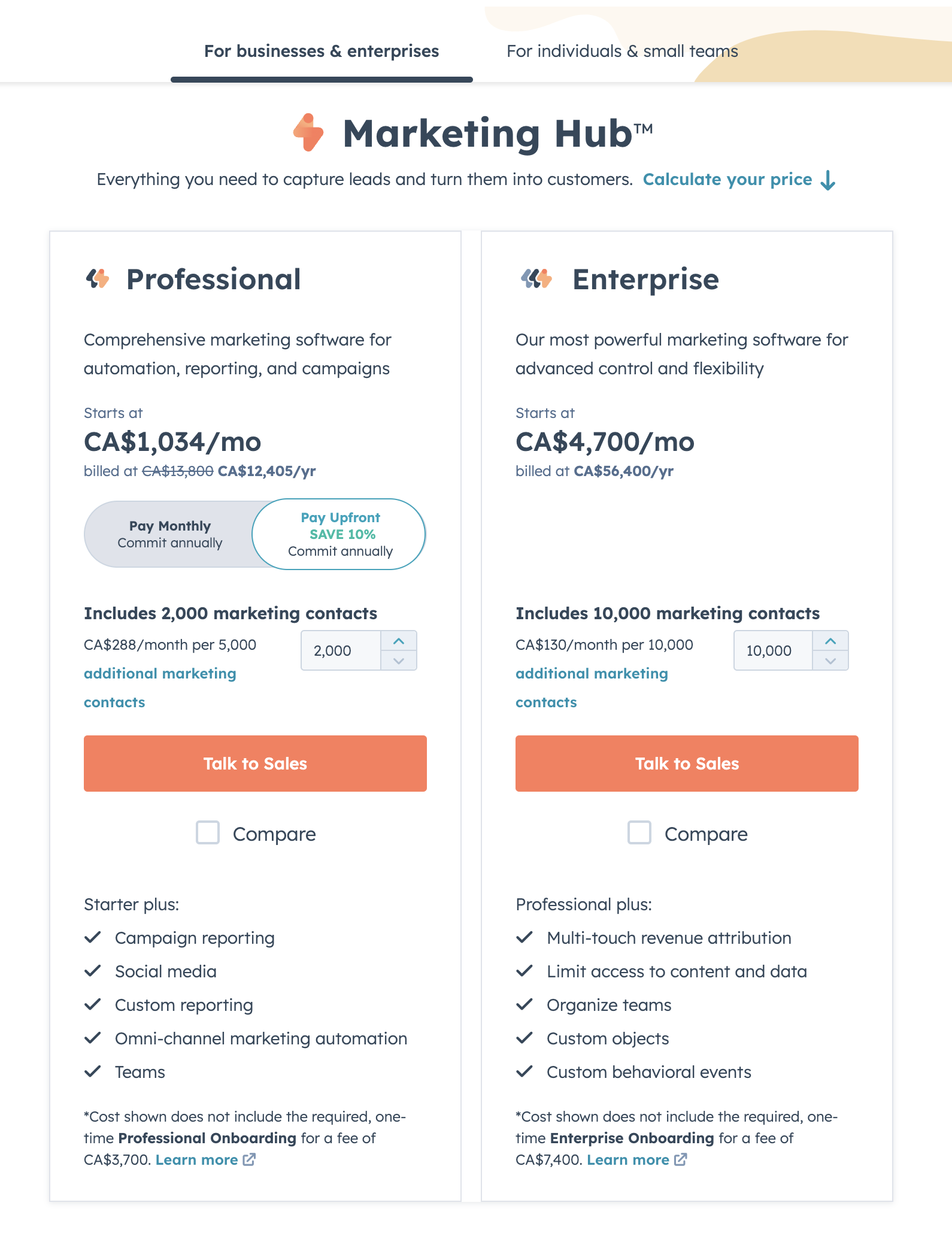
Dynamic Personalized Pricing
Dynamic pricing adjusts rates based on real-time factors such as market demand, competitor pricing, or resource availability. It helps businesses remain competitive and maximize revenue during fluctuating conditions. While more common in B2C, this can be adapted to B2B with the right systems in place. This approach is effective in markets where demand and competition vary frequently. Businesses should implement it cautiously in B2B to avoid overwhelming buyers, ensuring transparency and fair practices.
HubSpot's pricing model consists of Professional and Enterprise plans. The Professional plans come with a set price, while the Enterprise plans begin at $1,200 monthly for 10 paid users. Instead of listing a precise cost, the pricing page features a call-to-action button that invites users to "Talk to Sales," suggesting a flexible pricing approach that can be modified.
Usage-Based Pricing
Usage-based pricing ties costs directly to the customer’s usage or consumption of the product or service. This strategy ensures customers pay proportionally to the value they derive, making it particularly attractive for scalable solutions. This strategy is ideal for products where usage levels vary significantly among clients. Businesses should carefully define usage metrics to avoid confusion and align pricing with customer expectations.
Example: A cloud storage provider bills clients based on the volume of data stored or transferred each month. Small businesses with lower usage pay minimal fees, while larger enterprises with heavy usage incur higher costs.
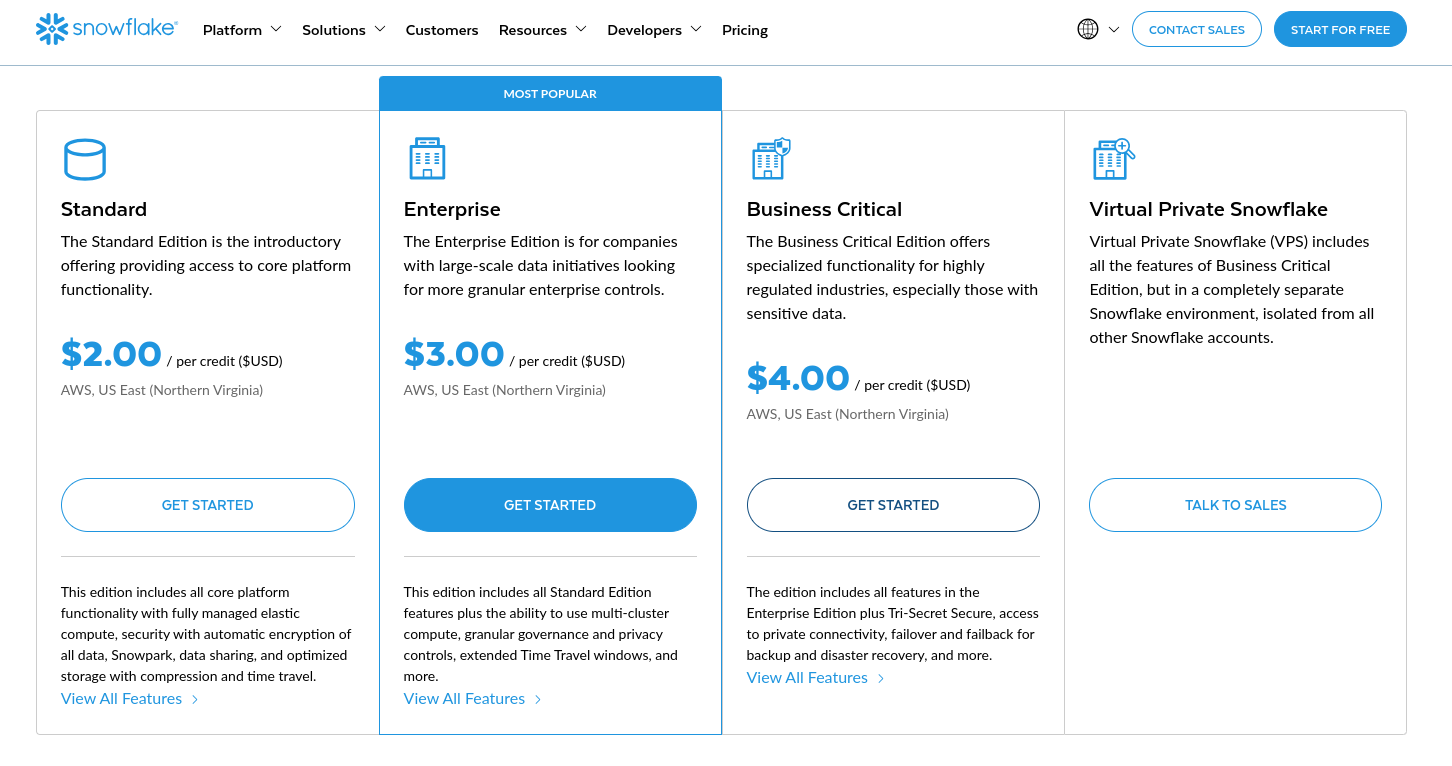
Tiered Model
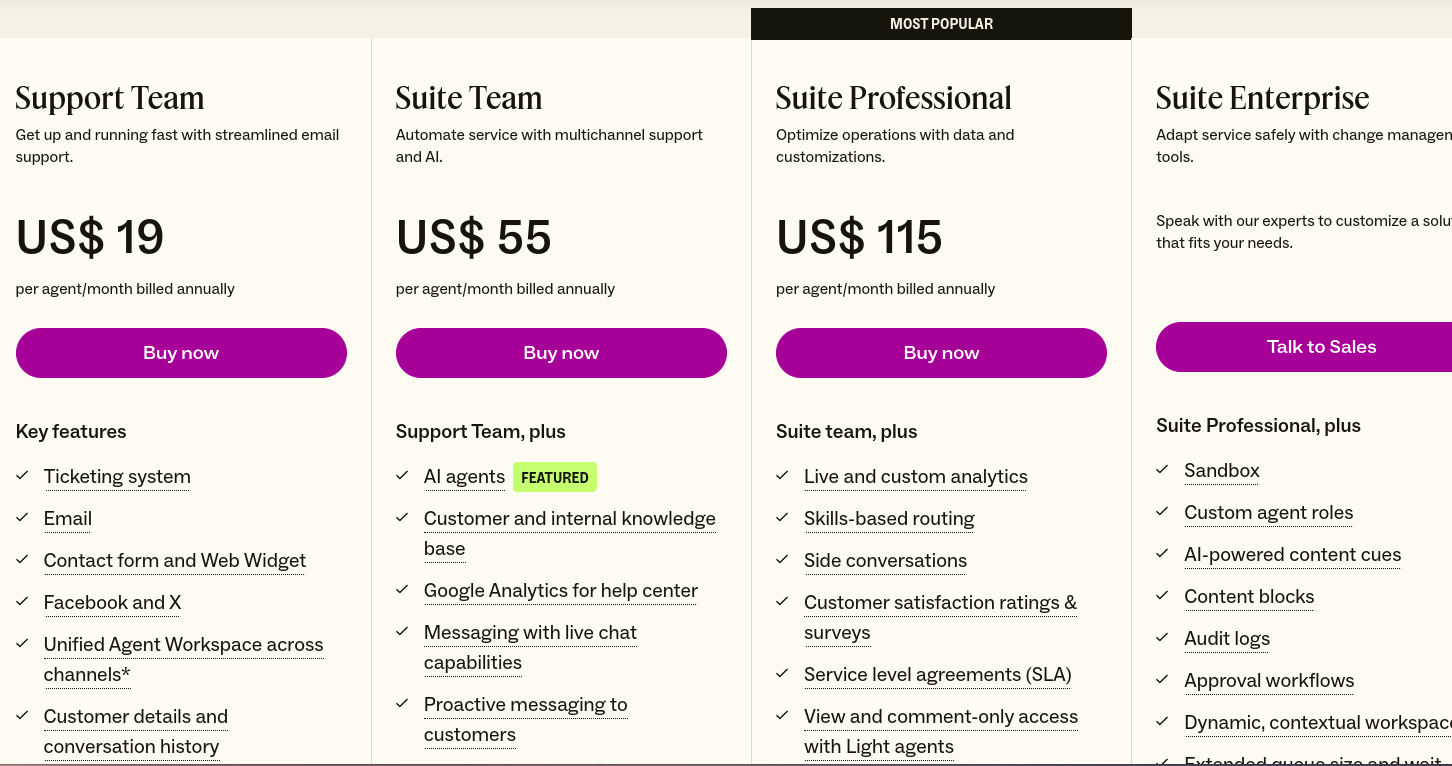
Tiered pricing divides products or services into multiple packages, each offering different features, usage limits, or service levels. It helps businesses capture a diverse range of customers, from startups to large enterprises, by offering price points that match their needs. This strategy works well when customers have varying needs and budgets. Ensure the tiers are clear and provide value at every level to prevent customers from feeling underserved or overcharged.
Example: Zendesk employs a three-tier pricing structure focused on product features. For smaller businesses, the non-enterprise tiers currently available are:- A Support Team level priced at $19 per agent per month when billed annually- A Suite Team level at $55 per agent per month- A Professional level at $115 per agent per month
Behavior-Driven Discounts
Behavior-driven discounts reward customers for actions that benefit both parties, such as early payments, long-term commitments, or high-volume purchases. This strategy not only incentivizes positive buyer behavior but also builds loyalty. Best suited for businesses that aim to encourage predictable revenue streams or cultivate long-term relationships. Discounts should be meaningful but not so large that they erode profitability.
Example: A subscription-based cybersecurity firm offers a 15% discount to customers who opt for annual billing instead of monthly payments. They also introduce a gamified system where clients can earn additional discounts by referring new customers.
Negotiation-Ready Pricing
Negotiation-ready pricing provides flexibility to sales teams, allowing them to adjust prices based on customer conversations while maintaining profitability. By preparing tools like discount frameworks and negotiation scripts, businesses empower their teams to close deals effectively. Ideal for industries with longer sales cycles or high-ticket products where negotiations are common. Establish clear guardrails to ensure discounts don’t compromise margins.
Example: An IT services firm equips its sales teams with a tiered discount system based on client size and deal value. For example, they offer a 5% discount for contracts over $100,000, increasing to 10% for multi-year commitments. Scripts ensure teams maintain confidence while presenting offers.
What Makes B2B Personalized Pricing Different From B2C
It's About Trust, Not Tricks
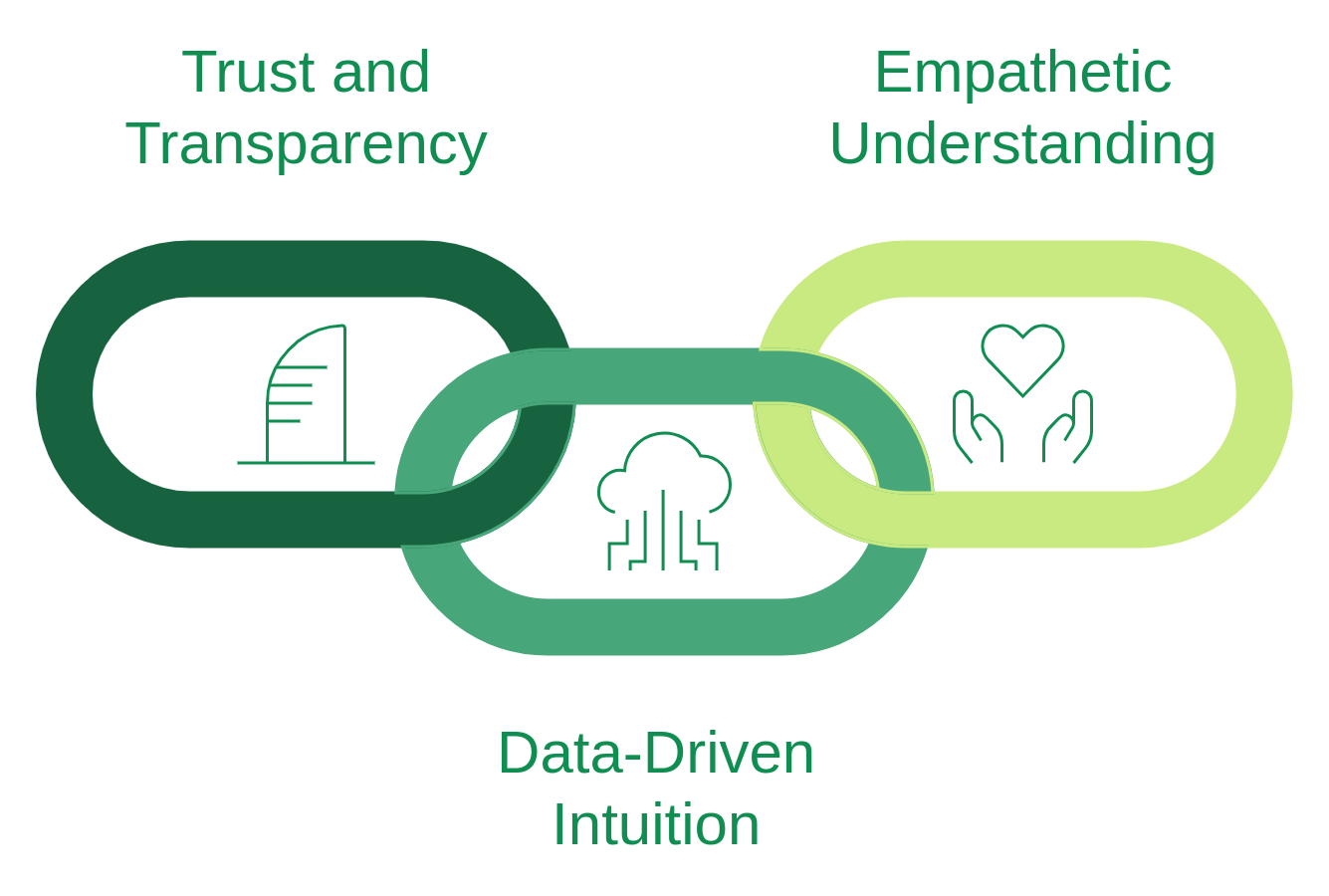
B2B pricing strategies prioritize building long-term relationships over short-term gains. Price transparency isn't just an ethical choice—it's a competitive advantage. Leading companies like Stripe demonstrate this through their clear, published pricing and transparent volume discounts, which have helped them build trust with over 100,000 businesses globally.
Balancing Art and Science
Pricing strategies combine advanced data analytics with human intuition. While AI and machine learning provide insights into customer behaviors, demand trends, and competitive landscapes, it takes human expertise to interpret these insights and craft empathetic, client-centric pricing strategies.
Empathy Is the Real Differentiator
Empathy goes beyond offering a good deal; it involves deeply understanding the buyer’s journey and aligning pricing to their specific challenges. Zoom's meteoric rise wasn't just about its technology—it was about deeply understanding customer needs and reflecting that understanding in its pricing approach.
How to Measure ROI of Personalized Pricing Strategies
Close Rate Improvement
Personalized pricing directly impacts close rates by aligning your offer with customer-specific needs. Tracking the before-and-after close rates when implementing personalized pricing reveals its effectiveness. A higher close rate validates your pricing strategy and indicates that you’re resonating with customers at a deeper level. This metric showcases your ability to turn interest into action, proving that tailored approaches increase buyer confidence and reduce friction in decision-making.
Revenue per Client
Revenue per client measures the profitability generated by each customer. Personalized pricing strategies tend to increase this metric by encouraging higher spending through tailored value propositions. For instance, when customers see pricing as a reflection of the value they derive, they’re more likely to invest in premium features or services. Monitoring this metric highlights how personalization drives customer satisfaction and long-term revenue growth.
Customer Churn
Churn rates often drop when customers feel pricing reflects their specific needs and value. Personalized pricing fosters loyalty by ensuring customers perceive fairness and alignment with their expectations. Tracking churn provides insights into how well your pricing strategy retains customers, indicating its role in building enduring relationships.
Win-Loss Analysis
Win-loss analysis helps you understand your pricing strategy's performance in the competitive landscape. By comparing outcomes across deals won and lost, you can pinpoint areas where personalized pricing works and where adjustments may be needed. This metric enables continuous strategy refinement, ensuring it remains effective and competitive over time.
Getting Started With a Personalized Pricing Strategy
Start with One High-Value Segment
Instead of completely changing your pricing strategy for all your customers, start by testing personalized pricing with one important customer group. This will help you learn what works and what doesn’t, so you can improve your approach. Once you've gathered insights and seen success with this group, you can then expand the strategy to other segments. This step-by-step approach reduces risk and allows for refinement before scaling.
Invest in Seamless Tools
Leverage pricing tools and platforms that integrate effortlessly with your existing CRM, ERP, or sales software. This ensures that data flows smoothly, empowering your team with real-time insights and simplifying implementation. Tools that support analytics and automation are crucial for scaling personalized pricing.
Train Your Sales Team
Your sales team plays a pivotal role in communicating the value of personalized pricing. Provide them with the knowledge and confidence to explain how tailored pricing aligns with the customer’s goals. Effective training ensures they can articulate the value proposition clearly, handle objections, and build trust during negotiations.
Conclusion
Personalization in pricing is more than a tactical adjustment; it’s a strategic philosophy. It reflects your commitment to understanding your customers, respecting their unique challenges, and aligning your value with their goals. It’s about creating a connection beyond numbers to foster trust and partnership. The future of B2B pricing lies not in competing solely on cost but on connection. When pricing strategies are tailored to resonate with individual buyers, they become a powerful tool for building relationships and driving long-term success. Ready to take your pricing strategy to the next level? Start with actionable insights, refine your approach, and let your pricing strategy seal the deal for you.